
If you regularly business trip If you've ever traveled by plane on vacation, you've probably noticed that all airplanes face the gate. An airplane is never parked facing the other way towards the gate, but why? In this article, we will tell you more about parking an airplane at the gate.
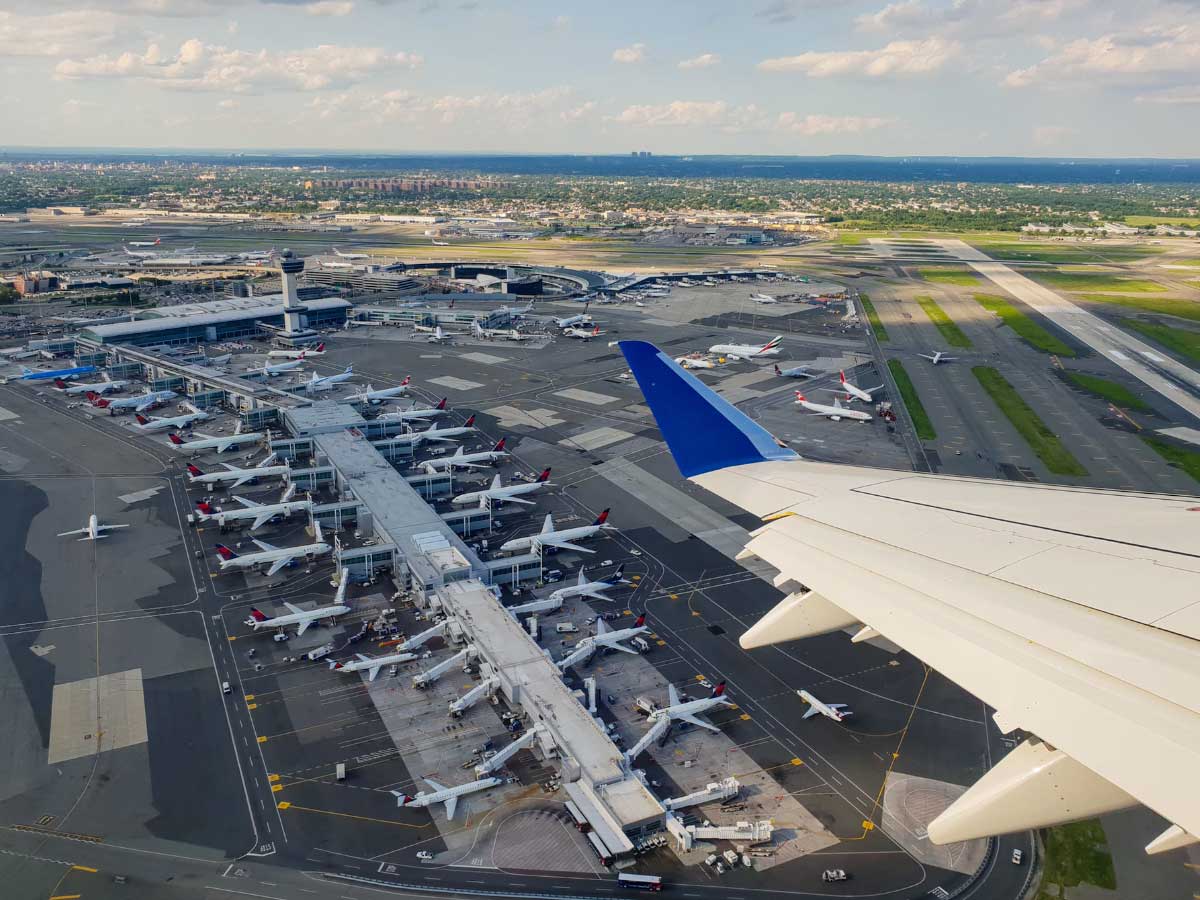
An airplane can indeed reverse.
Many people think that airplanes cannot reverse. This is one of the biggest misconceptions that exist. Many airplanes can indeed reverse perfectly well; they do this by using what's called reverse thrust. In some countries, you'll still see airplanes reversing under their own power, but you won't see this at modern airports. At such a moment, an airplane expends so much force that it makes an enormous amount of noise and costs a huge amount of kerosene. Reversing also causes a lot of CO2 emissions and therefore leads to unwanted extra pollution.
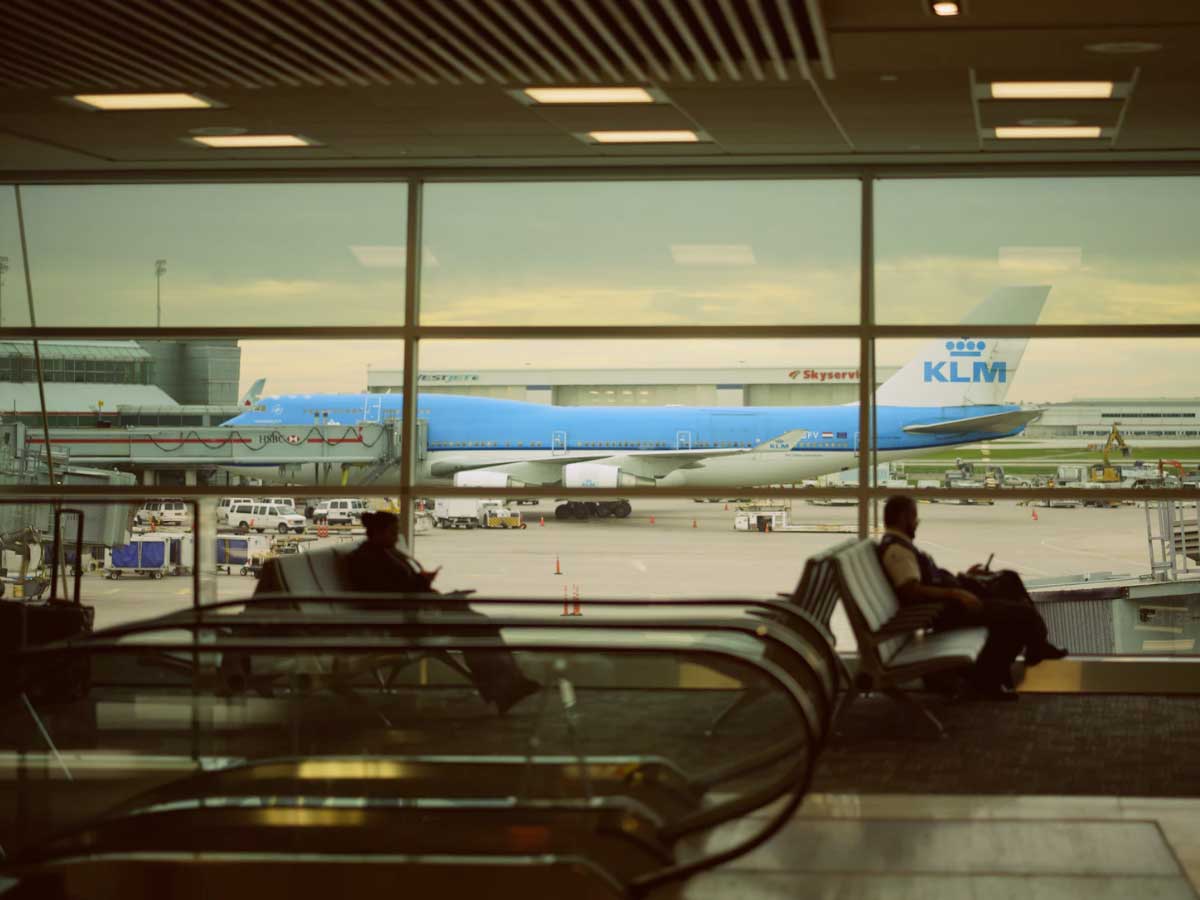
History of parking and why a pushback?
In the past, there weren't as many flight movements per day as there are nowadays. Therefore, there was enough space to park aircraft on an open field. In those days, special pushbacks weren't necessary to move an aircraft; planes could simply drive forward from their parking spot and take off.
From 1961 onwards, there were many developments in aviation, including at the Dutch airport Schiphol. During this time, the first jet bridge was built at Schiphol. This is a passageway that can be connected to an airplane, allowing passengers to walk through it to exit the plane.
The jet bridge had to be longer than the wings of the aircraft to be able to park all aircraft in the same way. By parking all aircraft nose-first towards the building, shorter bridges were needed again, and aircraft could be parked closer together. This method ensured an efficient use of the available space.
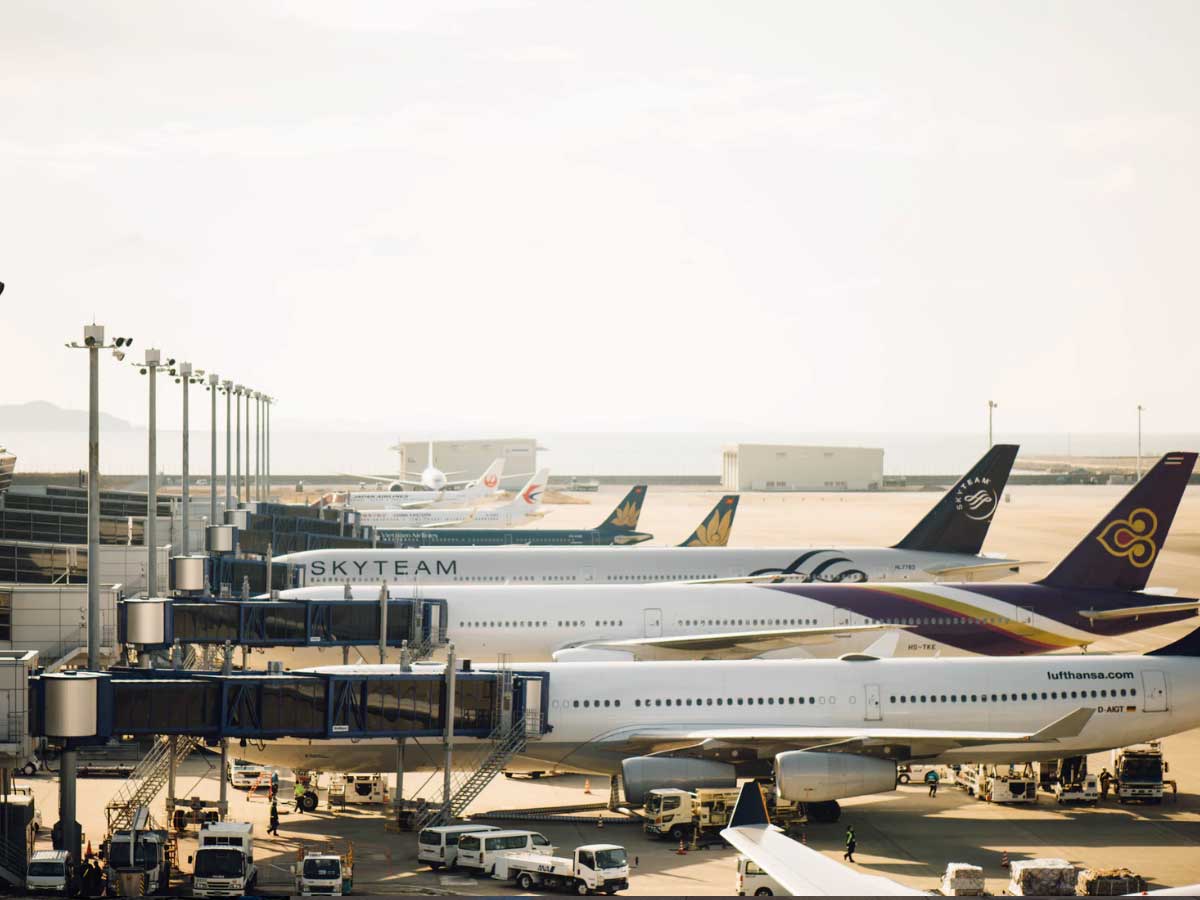
The airflow of an airplane
It was also not an option to place the planes facing the other way towards the building and attach the bridges to the rear exit of the aircraft. The airflow generated when the aircraft engines start can cause a lot of damage. The airflow would pose a danger to the building and the people around it. By placing an aircraft with its front facing a building, a solution had to be found to get it back onto the runway. This eventually became pushback. These trucks come in various shapes and sizes and are deployed depending on the aircraft to get them to the runway.
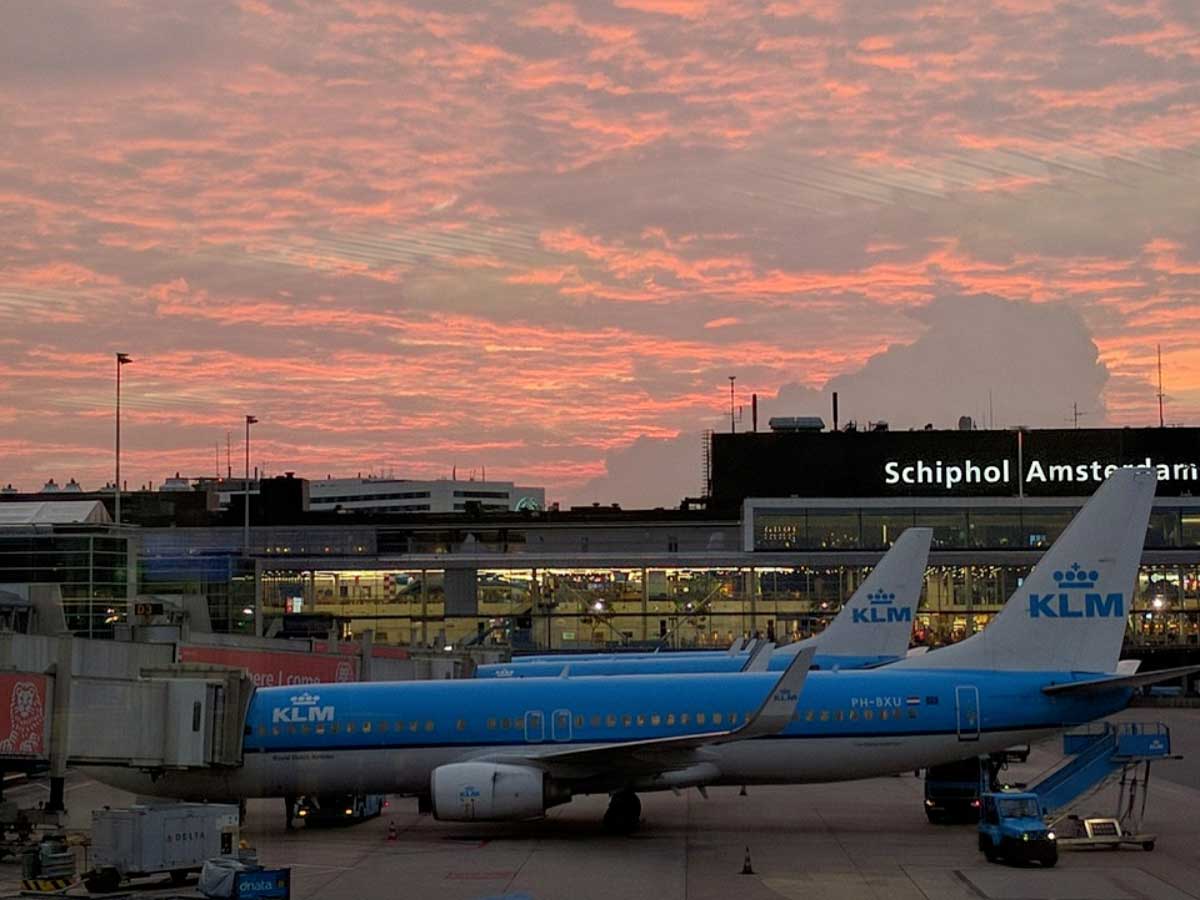
The pushback truck
From a distance, a pushback truck may appear to be just a small truck, but the largest pushback trucks can lift and push back a weight of up to 50 tons. A special tow bar is used to connect the aircraft's nose wheel to the pushback truck. There are also special pushback trucks that lift the aircraft's nose wheel. This allows for much faster connection of the pushback truck to the aircraft.
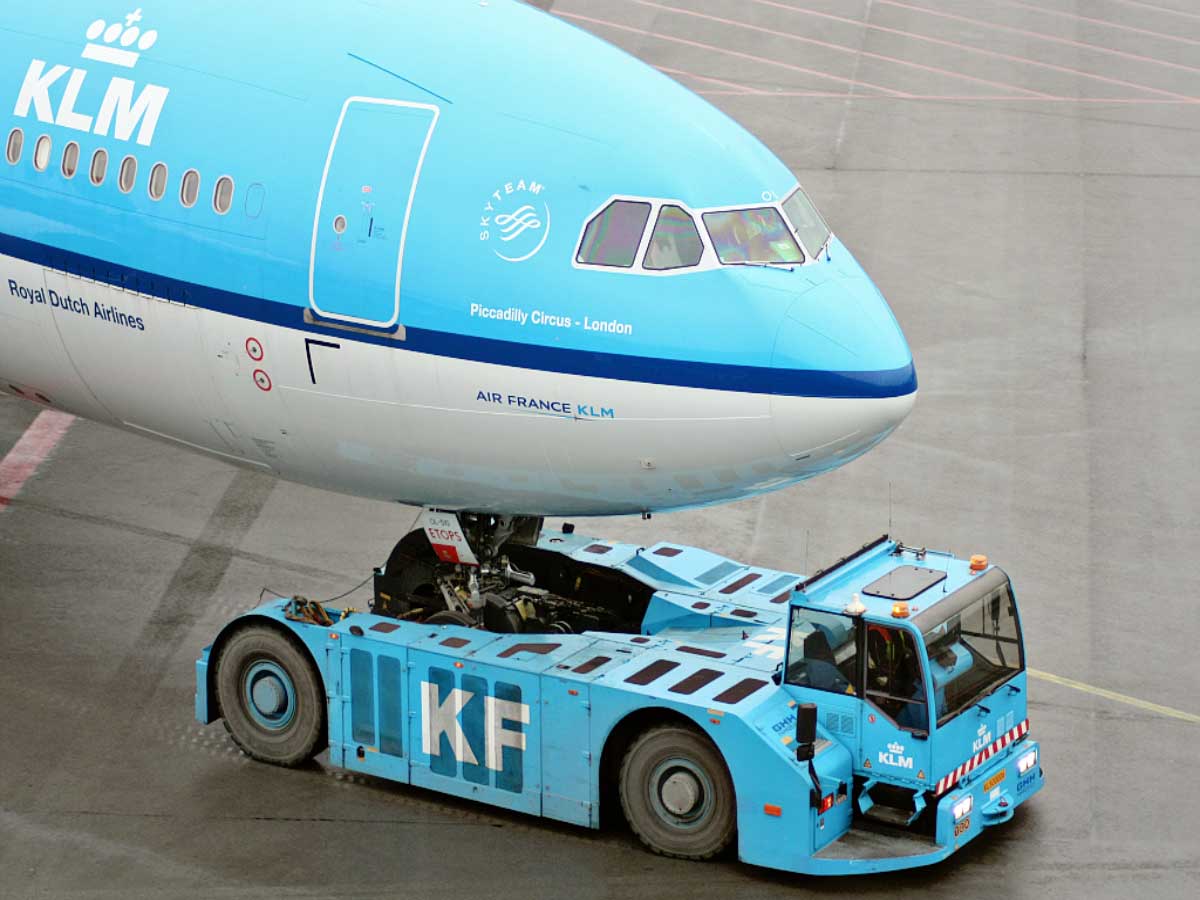
Inside the cabin, there are a lot of handy features for the driver. For example, the pushback driver can set the type of aircraft they need to move. They can also move the truck's cabin up and down, which prevents accidents by providing the driver with better visibility. And the pushback truck driver never has to look backward, as they can rotate their seat 180 degrees to see everything. In the video below, you can follow a pushback truck driver at Schiphol.
This article originally appeared on KLM's blog and we used it as a source.